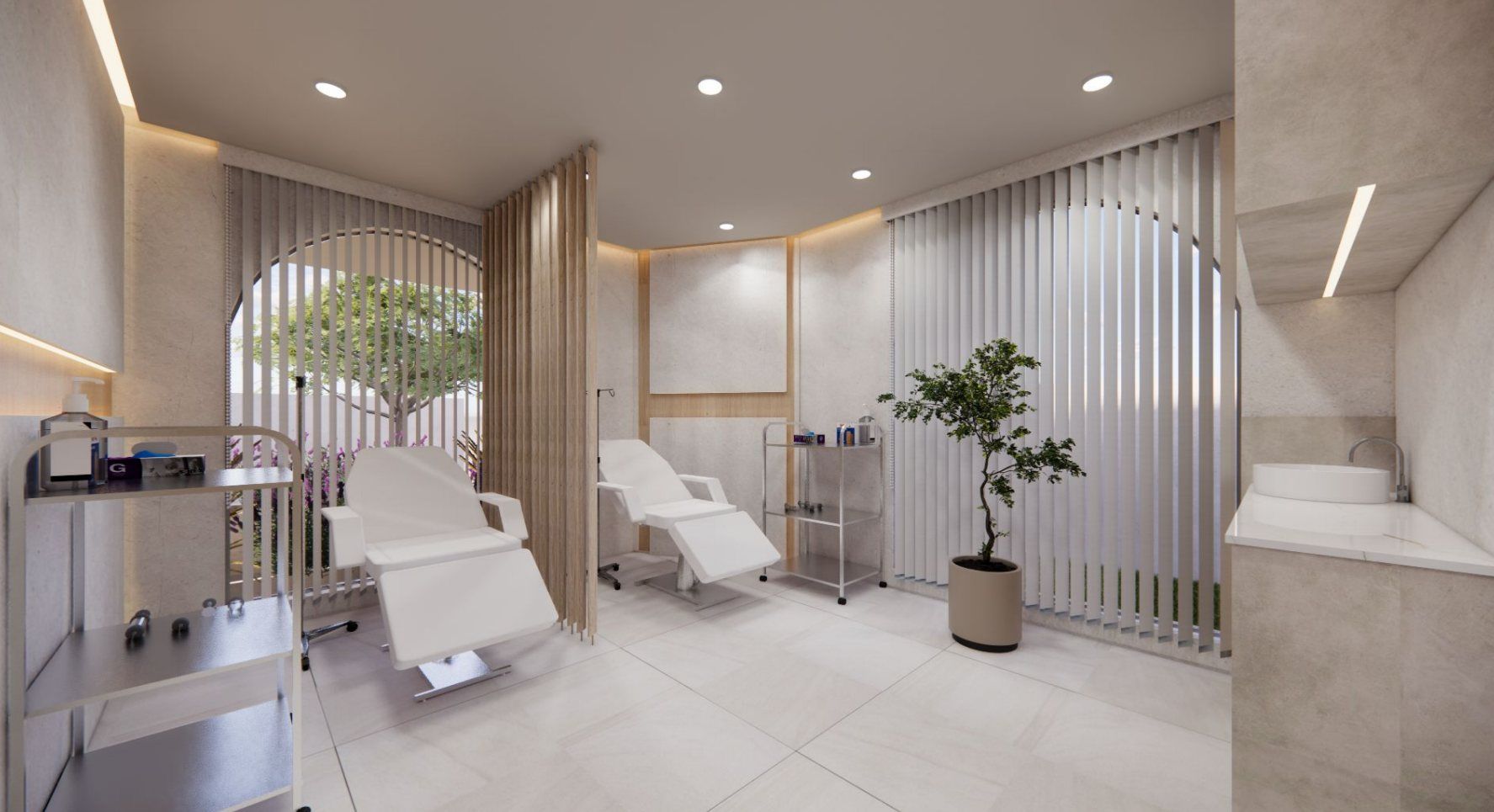
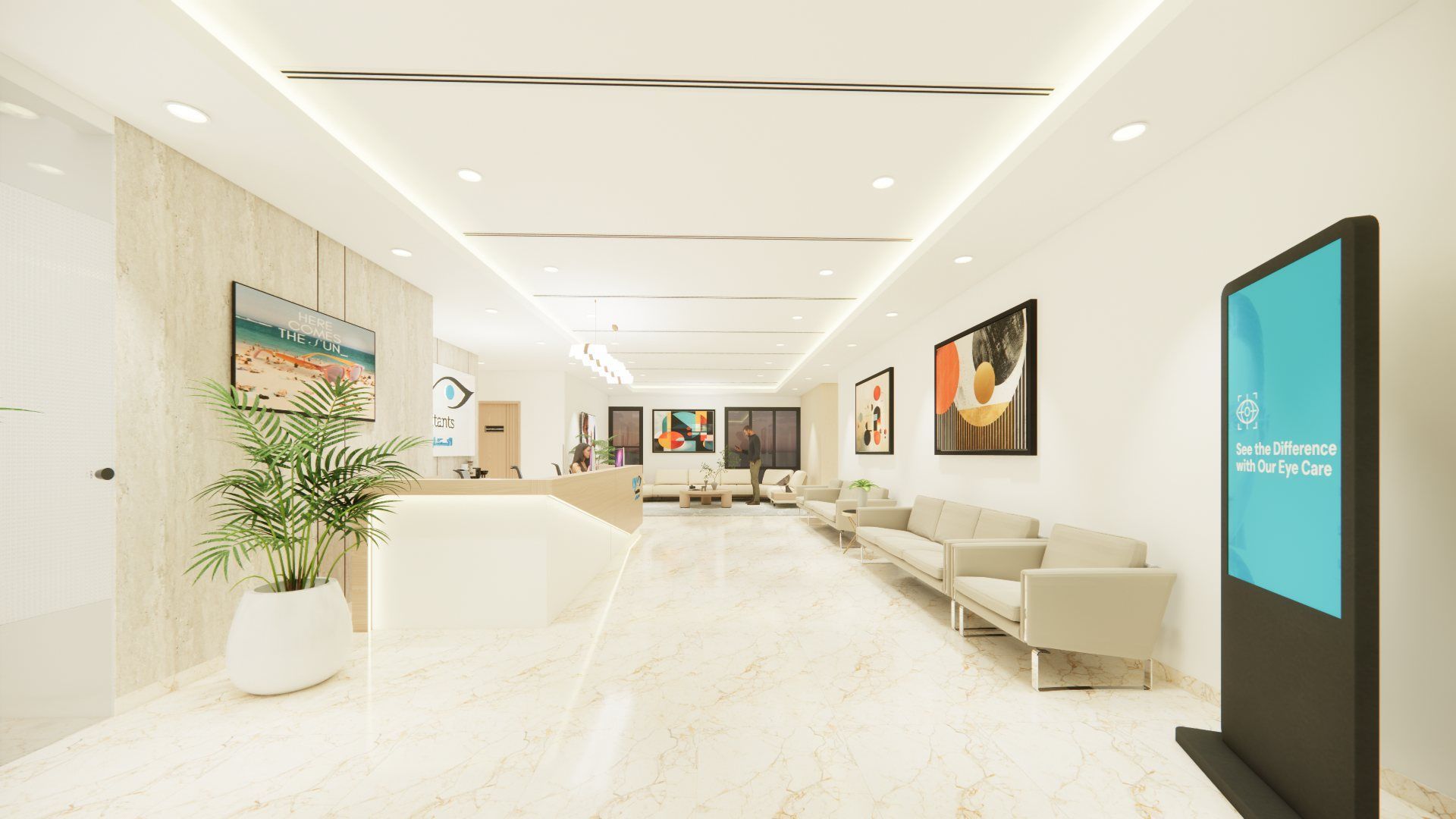
Opening a healthcare facility in Dubai is not one project but several running in parallel: a company to set up, a site to secure, a facility to design and fit out, a licence to obtain and a clinical team to license. Most delays happen where these tracks meet, for example a lease signed before anyone checked the building can be licensed, or doctors hired before their licences are in progress.
This guide walks through the process in the order it should happen, whether you are opening a small clinic, a medical centre, a day surgery centre or a hospital.
1. Decide exactly what you are opening
The facility type drives everything that follows: the licence category, the space you need, the equipment, the staffing and the cost. The main options are:
- Clinic: one or a few specialties, such as a general practice, dental, dermatology or aesthetic clinic.
- Polyclinic or medical centre: several specialties under one licence, often with diagnostics.
- Day surgery centre: procedures and surgery with same-day discharge, which brings operating theatres, recovery and sterilisation into the design.
- Hospital: inpatient care, with the most demanding requirements for space, engineering, staffing and approvals.
- Other facilities: pharmacies, diagnostic and radiology centres, laboratories, physiotherapy centres and home healthcare providers.
Be specific about the services you will offer on day one and those you plan to add later, because adding services after licensing can mean new approvals and layout changes.
2. Choose the emirate and the right health authority
- DHA licenses healthcare facilities across Dubai.
- DHCC licenses facilities inside the Dubai Healthcare City free zone.
- DOH licenses facilities in Abu Dhabi, Al Ain and Al Dhafra.
- MOHAP licenses facilities in Sharjah, Ajman, Umm Al Quwain, Ras Al Khaimah and Fujairah.
Each authority has its own portal, design requirements and inspection process, so the choice of location decides which rulebook you follow. Read more in our guide to the health authorities in the UAE.
3. Test the business case before you sign anything
A market feasibility study confirms whether there is enough demand for your services in the catchment, who you are competing with and how insured patients will reach you. A financial feasibility study then sizes the investment, the ramp-up period and the break-even point. Doing this before the lease is the cheapest way to avoid opening a facility that is too big, in the wrong place or offering the wrong services.
4. Set up the company
Every healthcare facility needs a legal entity and a commercial licence from the relevant economic department or free zone, alongside the health authority licence. The ownership structure, the free zone or mainland choice and the activities on the commercial licence should match the facility type you plan to license, so align these before you register.
5. Secure a site that can actually be licensed
Not every commercial unit can become a healthcare facility. Check that the building and zoning allow healthcare use, that the space works for patient access and accessibility, and that the building can support what you need: ventilation, power, drainage, medical gases for surgical and inpatient facilities, and parking. For day surgery centres and hospitals, the building itself often decides what is possible.
6. Get initial approval and an approved layout
The health authority reviews the facility type, the services and the proposed layout before construction. A layout that ignores room sizes, clean and dirty flows, infection control or accessibility will be sent back, which is why the clinical planning and the design should be done together. Our article on layout mistakes that fail inspection covers the most common problems.
7. Design, fit-out and medical equipment
Once the layout is approved, the design is developed into construction drawings, building and civil defence approvals are obtained and the fit-out begins. Medical equipment planning should run alongside the design, because equipment drives power, structure, shielding and room layouts, especially for imaging, theatres and sterilisation.
8. License your doctors, nurses and staff
Every clinician must hold a licence from the same authority as the facility. In Dubai this means a DHA application on the Sheryan portal, primary source verification by DataFlow and, for most professions, a Prometric exam. Because verification can take weeks, start professional licensing early, beginning with the medical director or person in charge.
9. Inspection and the facility licence
When the fit-out, equipment and staff are in place, the authority inspects the facility against the approved layout and its standards. Once the inspection is passed, the facility licence is issued and the clinicians' licences can be activated under it.
10. Get ready to see patients
Opening day depends on more than the licence. Plan insurance network inclusion early, set up your clinical and billing systems, connect to the health information exchange where it is required (NABIDH in Dubai, Malaffi in Abu Dhabi), and put policies, procedures and training in place.
How opening a day surgery centre or hospital differs
The steps are the same, but the scale is not. Day surgery centres and hospitals need operating theatres, recovery areas, central sterilisation, medical gases, backup power and emergency readiness, and they are inspected more closely. Their design, equipment and staffing plans must be developed together from the start. See our hospital setup service for how we plan larger facilities.
How long does it take?
A straightforward clinic in a suitable building is usually a matter of months, while a day surgery centre or hospital takes considerably longer. The biggest variables are the site, the speed of design approvals and fit-out, and how early staff licensing begins.
Planning a clinic, medical centre, day surgery centre or hospital in the UAE? Levantine handles feasibility, licensing, design, fit-out, equipment and staff licensing under one team. See our clinic setup service, call +971 4 553 9088 or email info@levantinehealthcare.com.